

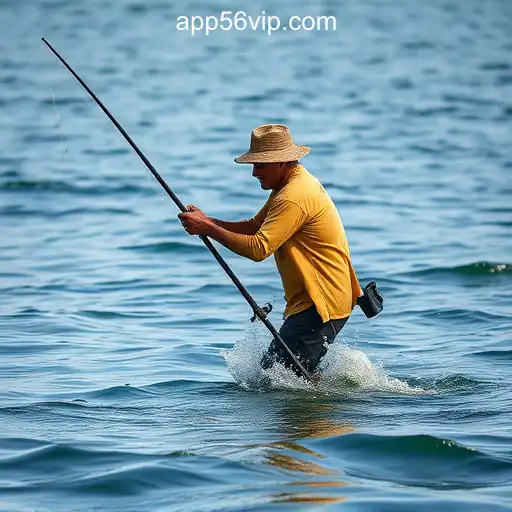
The Ancient and Modern Practice of Fishing
Fishing is an age-old practice that has played a crucial role in human survival and recreation. Over centuries, communities worldwide have developed various techniques reflecting their rich cultural heritages and the local aquatic ecosystems. Today, fishing continues to be a vital industry and a popular leisure activity, attracting millions worldwide to its tranquil yet challenging allure.
Traditional Fishing Techniques
Throughout history, people have invented numerous traditional fishing methods. From spearfishing and handlining to more sophisticated net fishing, these techniques are as diverse as the cultures they originate from.
- Spearfishing: Considered one of the earliest forms of fishing, spearfishing uses sharp tools to catch fish. It requires skill, patience, and precision.
- Net Fishing: Nets have been used since ancient times, varying in size and form. Seine nets, trawl nets, and gill nets are some types deployed in different conditions and environments.
- Handlining: This method involves fishing with a single baited hook and line that is held in the fisherman's hand, requiring a keen sense of touch to detect fish movements.
Modern Fishing Techniques and Equipment
As technology advanced, so did fishing practices. Modern fishing integrates traditional skills with cutting-edge equipment to increase efficiency and sustainability.
- Rod and Reel: The most common form for recreational fishing, it combines a fishing rod with a cycling reel, allowing for greater control and range.
- Electronics: Sonar and GPS devices have revolutionized fishing, enabling fishers to locate schools of fish and navigate more safely and precisely.
- Advanced Baits: Modern synthetic baits often mimic not just the appearance but also the scent and movement of real prey, increasing catch rates.
The Challenges Facing Fishing Today
While fishing remains a critical activity, it also faces numerous challenges, including overfishing, environmental changes, and regulatory issues.
Overfishing: This occurs when fish are caught faster than they can reproduce, leading to depleted populations and disrupted ecosystems. Efforts to combat overfishing include setting quotas and promoting sustainable fishing practices.
Climate Change: Changing ocean temperatures and conditions affect fish migration patterns and health, impacting both commercial and recreational fishing.
Pollution: Water pollution from industrial, agricultural, and urban sources poses significant threats to aquatic life, influencing fish health and availability.
The Joy of Recreational Fishing
Despite these challenges, recreational fishing is thriving, offering relaxation and the thrill of the catch to millions. Countries like Brasil provide paradise-like settings, making them popular fishing destinations.
Fishing and Modern Entertainment
Interestingly, the practice of fishing has even made its way into digital forms. Online platforms like 56VIP.com highlight the growing fusion between traditional hobbies and modern technology. This platform, renowned as an online slot site in Brasil, offers a variety of fishing-themed games that simulate the excitement and unpredictability of real-life fishing.
Such platforms not only entertain but also offer a virtual escape, allowing enthusiasts to enjoy the essence of fishing in a dynamic and interactive online environment.
Future Prospects
The future of fishing looks towards sustainability and technology. Efforts are intensifying towards sustainable fishing practices to ensure that future generations can enjoy and benefit from fishing traditions.
Technological innovations continue to enhance fishing experiences. From more eco-friendly fishing practices to realistic virtual experiences like those on 56VIP.com, the evolution of fishing is sure to captivate the minds of seasoned anglers and novices alike.